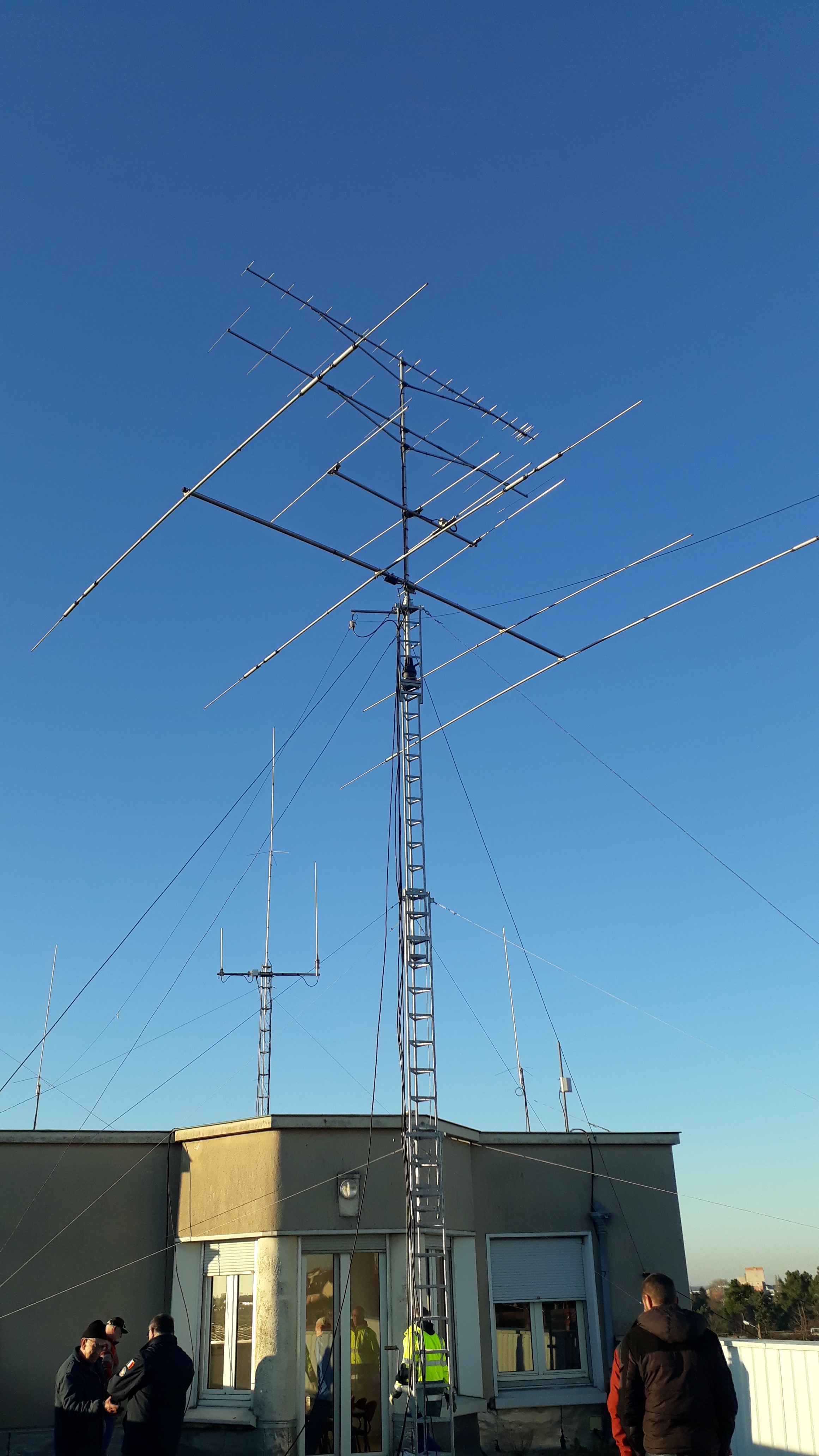
Le radio club F6KFI organise un projet de construction d’un émetteur WSPR autonome
Retrouvez ci-dessous l’intégralité des différentes soirées techniques.
[/et_pb_text][/et_pb_column][/et_pb_row][et_pb_row _builder_version= »3.19.3″][et_pb_column type= »4_4″ _builder_version= »3.19.3″ parallax= »off » parallax_method= »on »][et_pb_accordion _builder_version= »3.19.3″ toggle_font= »|||||||| »][et_pb_accordion_item title= »Soirée 1 – Présentation du projet WSPR » open= »on » _builder_version= »3.19.3″ title_text_shadow_horizontal_length= »0em » title_text_shadow_vertical_length= »0em » title_text_shadow_blur_strength= »0em » body_text_shadow_horizontal_length= »0em » body_text_shadow_vertical_length= »0em » body_text_shadow_blur_strength= »0em »]- Pour quoi faire ?
- Cartographie
- Emission/Réception
- WSJTX
- Emetteurs autonomes
- Synoptique du projet
- Les étapes du projet
[download id= »86″]
[/et_pb_accordion_item][et_pb_accordion_item title= »Soirée 2 – Utilisation de l’Arduino Nano et son IDE » open= »off » _builder_version= »3.19.3″ title_text_shadow_horizontal_length= »0em » title_text_shadow_vertical_length= »0em » title_text_shadow_blur_strength= »0em » body_text_shadow_horizontal_length= »0em » body_text_shadow_vertical_length= »0em » body_text_shadow_blur_strength= »0em »]- La gammes des arduinos
- La breadboard
- Le bus I2C
- RTC DS3231
[download id= »90″]
[/et_pb_accordion_item][et_pb_accordion_item title= »Soirée 3- Oscillateur programmable, protocole WSPR » open= »off » _builder_version= »3.19.3″ title_text_shadow_horizontal_length= »0em » title_text_shadow_vertical_length= »0em » title_text_shadow_blur_strength= »0em » body_text_shadow_horizontal_length= »0em » body_text_shadow_vertical_length= »0em » body_text_shadow_blur_strength= »0em »]- Le WSPR
- Le fonctionnement du DDS
- L’encodeur WSPR
- Mise en pratique
[download id= »100″]
[/et_pb_accordion_item][et_pb_accordion_item title= »Soirée 4- Amplificateur et filtre HF » open= »off » _builder_version= »3.19.3″ title_text_shadow_horizontal_length= »0em » title_text_shadow_vertical_length= »0em » title_text_shadow_blur_strength= »0em » body_text_shadow_horizontal_length= »0em » body_text_shadow_vertical_length= »0em » body_text_shadow_blur_strength= »0em »]- Classes de fonctionnement d’un amplificateur
- Le logiciel svc
- Réalisation des inductances
- Mise en pratique
[download id= »102″]
[/et_pb_accordion_item][/et_pb_accordion][/et_pb_column][/et_pb_row][/et_pb_section]